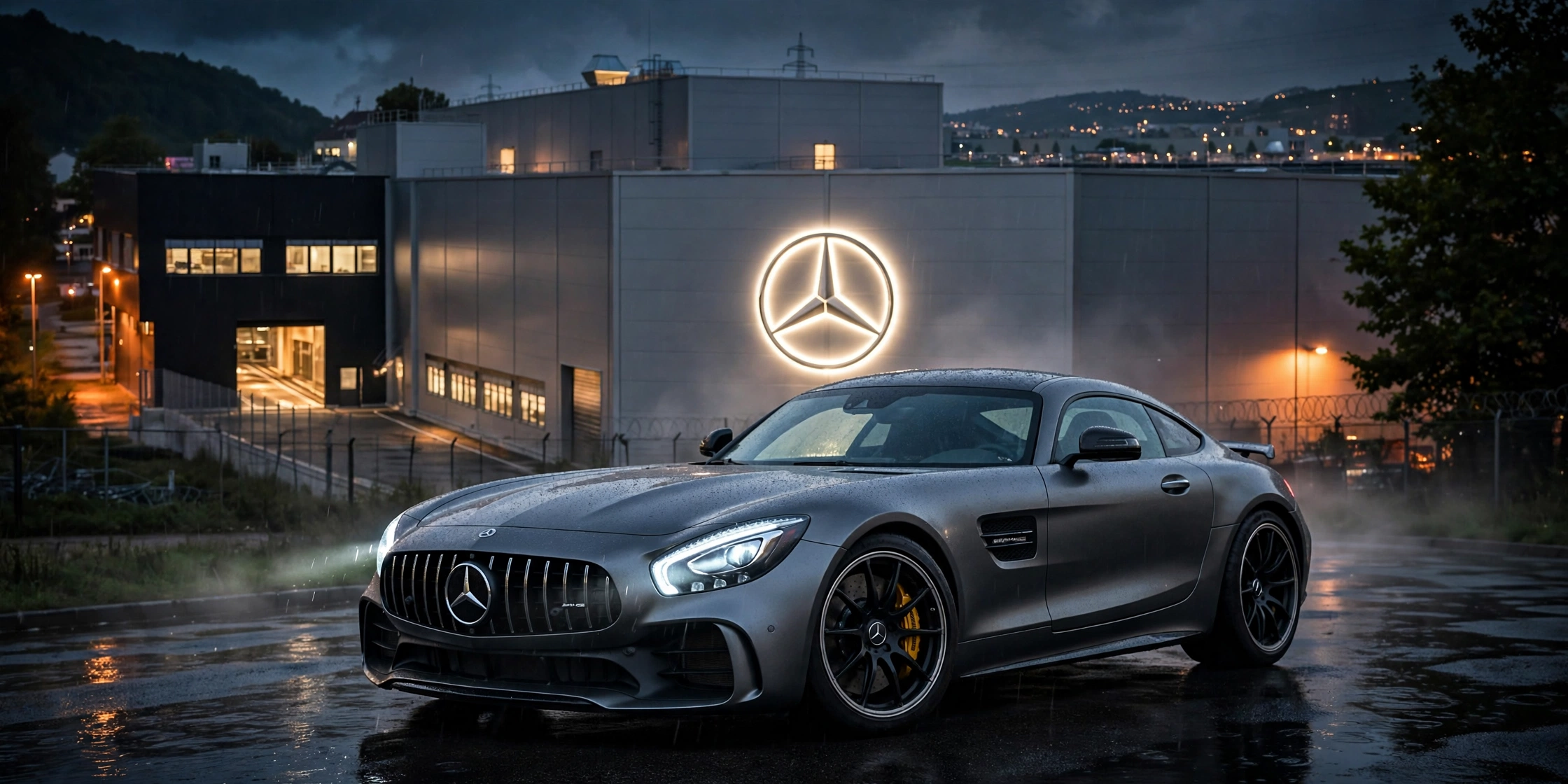
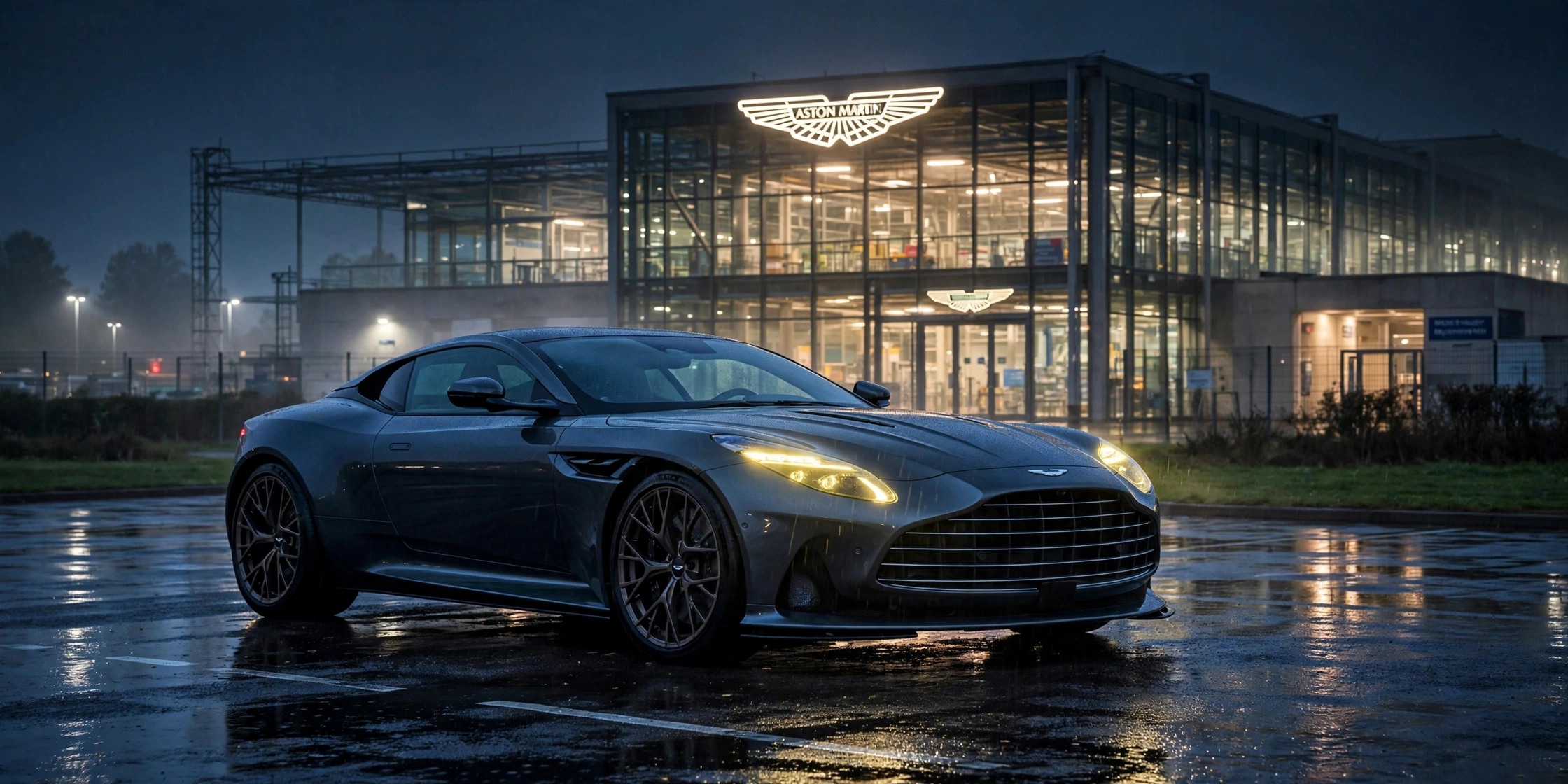
Your Aston Martin has a Mercedes heart. Your Toyota has a BMW soul. That "Italian" roadster might be Japanese underneath.
Welcome to modern luxury — where the badge on the trunk and the engineering under the hood increasingly come from different companies. These aren't secrets. They're just not advertised. And if you're buying used, this is the single most important thing nobody is telling you.
Why ENTRE MARCAS matters
Every collaboration creates a knowledge gap — and gaps are where bad purchases hide:
- The buyer researches Brand X reliability — but the engine is Brand Y's, with Brand Y's failure patterns.
- The inspector knows Brand X — but doesn't recognize the Brand Y components staring back from the engine bay.
- Parts pricing, service procedures, known defects — they all follow the engineering, not the badge.
A PPI that only knows one brand is a PPI that misses half the car.
The collaboration map
German heart, foreign badge
- Toyota Supra → BMW. The B58 inline-six, the chassis, the electronics — Munich engineering in a Japanese badge. The most famous collaboration of the decade. Supra buyers should be reading BMW forums, not just Toyota ones.
- Aston Martin Vantage & DBX → Mercedes-AMG. The hand-built 4.0L twin-turbo V8 from Affalterbach powers Gaydon's finest. British soul, German heart — and German service procedures.
- Lotus Emira (i4) → Mercedes-AMG. Colin Chapman's philosophy ("simplify, then add lightness") meets AMG's 2.0L turbo. Two engineering cultures, one engine bay.
- Pagani → Mercedes-AMG. Every Huayra and Utopia carries a hand-built AMG V12. A tiny Modenese atelier powered by Germany's finest — and serviced like it.
Shared platforms, different animals
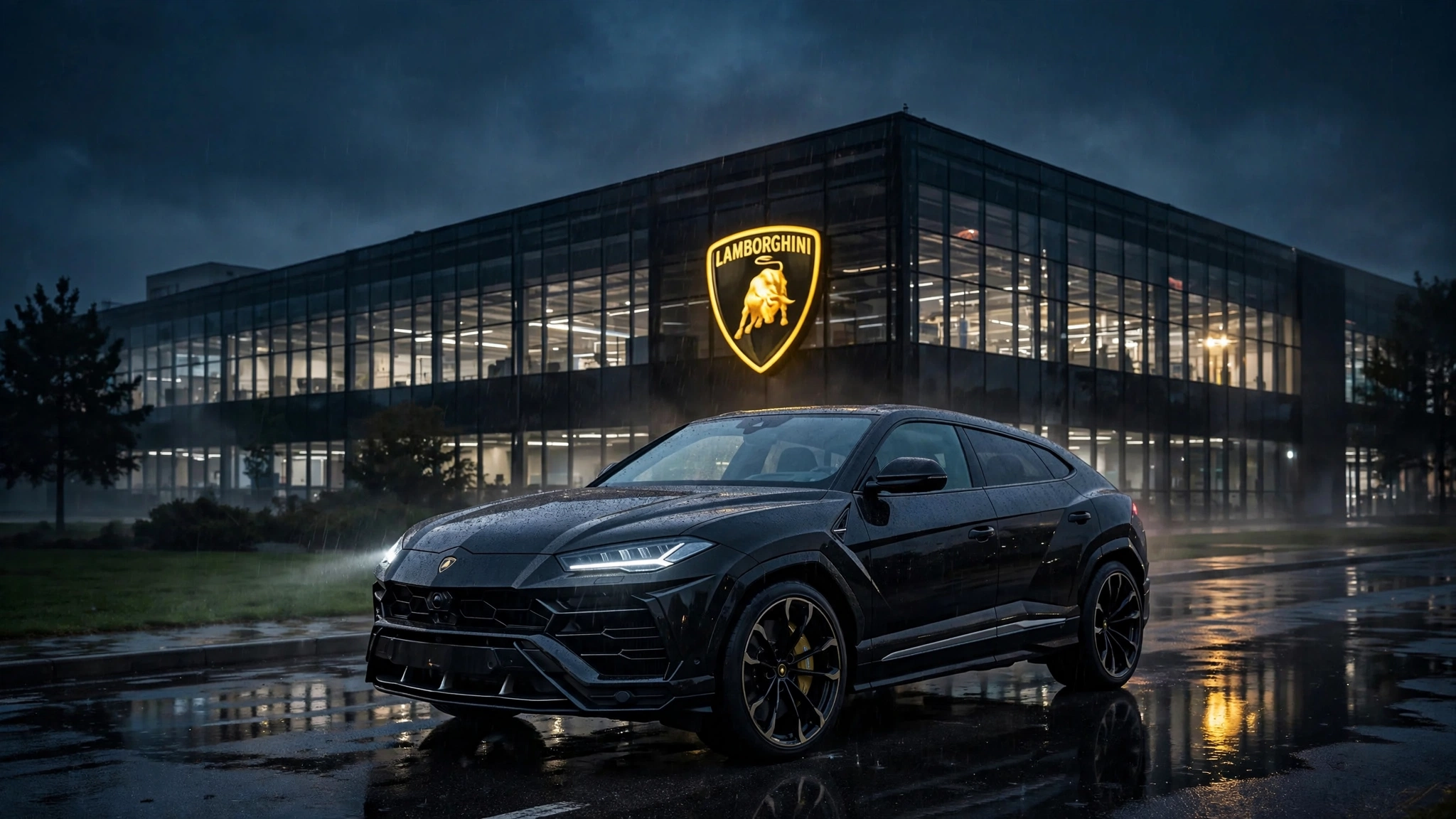
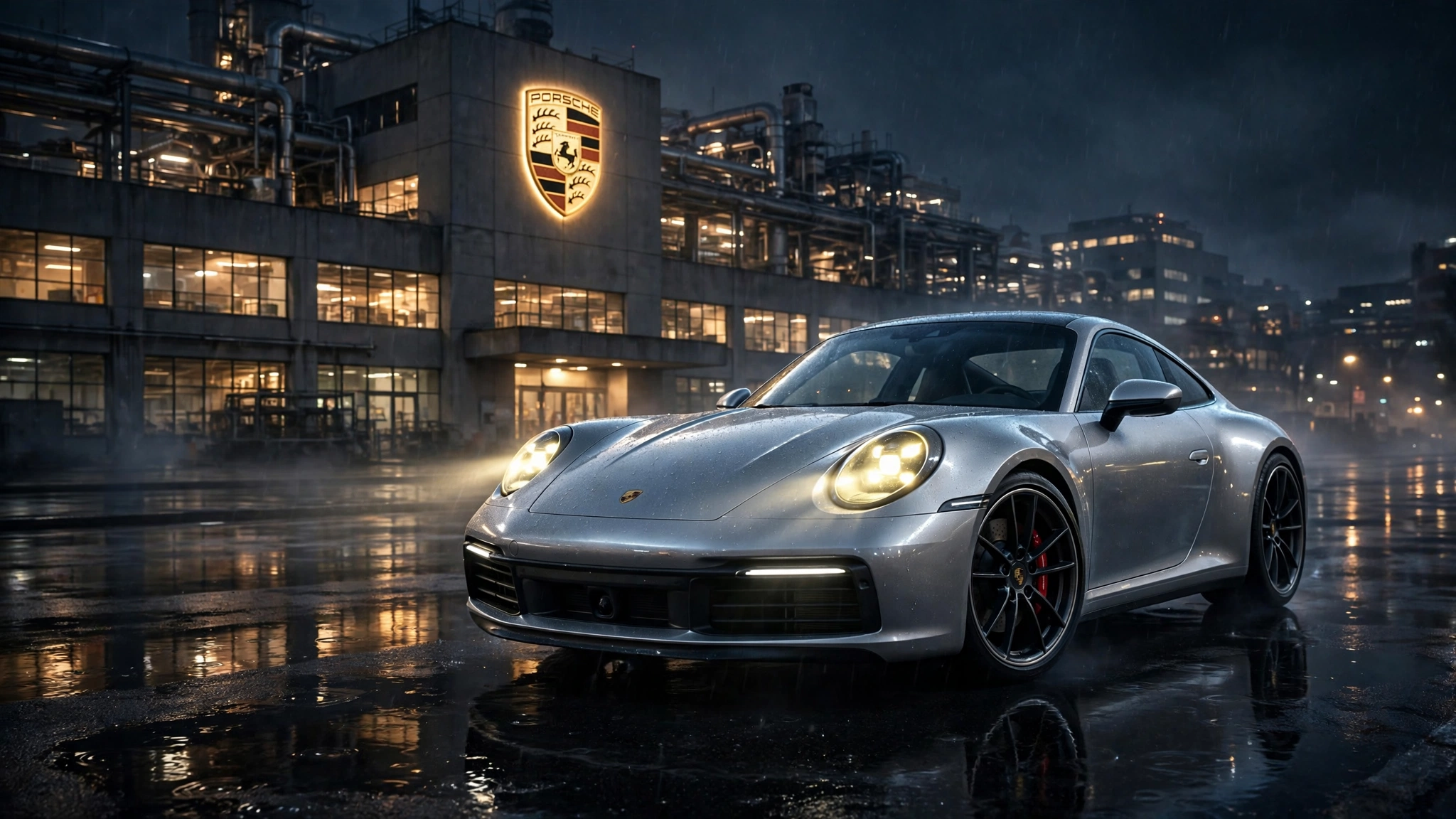
- Lamborghini Urus → VW Group. The MLB Evo architecture — shared with the Audi Q8, Porsche Cayenne, and Bentley Bentayga. Same bones. Wildly different characters. But the weak points are shared, and a good inspector knows where the platform hides them.
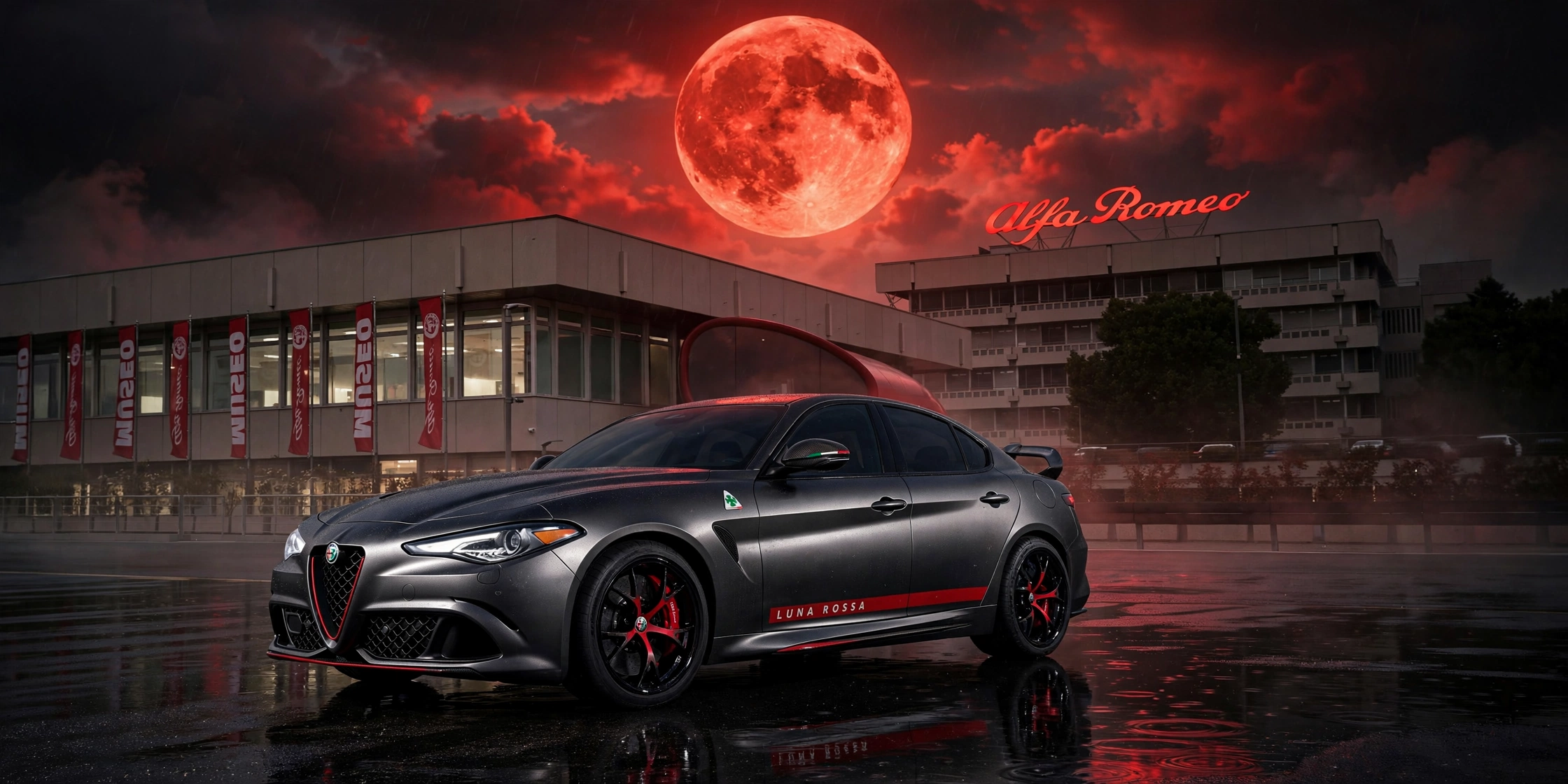
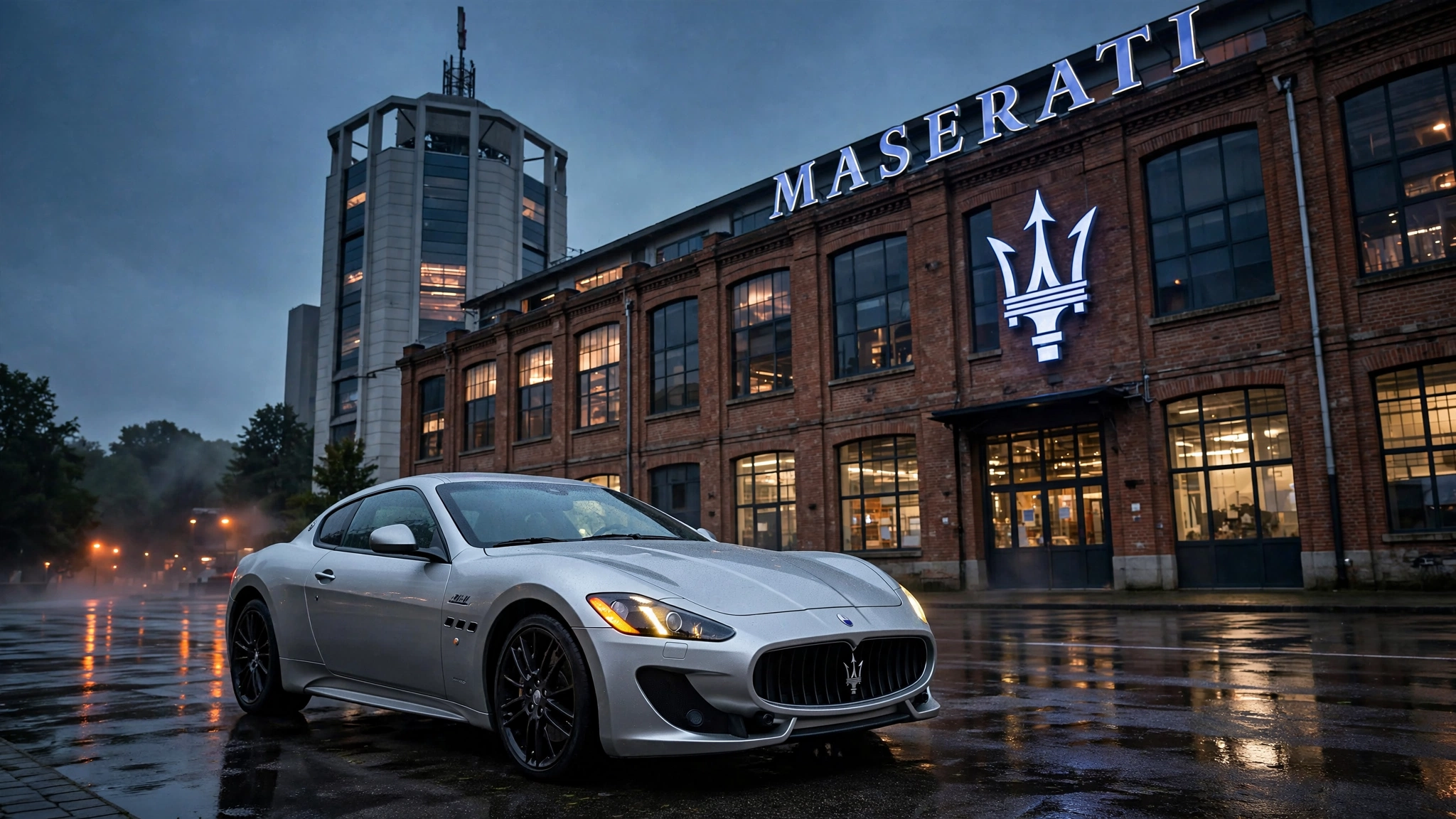
- Maserati Grecale → Stellantis. Built on architecture shared with Alfa Romeo's Giorgio platform. Modenese luxury, shared foundations — which means shared data on what fails and when.
The unexpected marriages
- Fiat 124 Spider → Mazda. A Japanese MX-5 chassis with an Italian Fiat turbo heart. Two countries, one roadster. The engine speaks Italian; the chassis speaks Japanese.
- Mercedes small engines → Renault/Nissan (certain models/markets). The three-pointed star outside, a French-Japanese four-cylinder inside. The badge promises Stuttgart; the engineering tells a more complicated story.
- BMW diesels → shared development. Across the industry, diesel powertrains have crossed brand lines for decades — if you're buying a European diesel used, know whose diesel it really is.
What smart buyers do with this
1. Research the ENGINE, not just the badge
Don't google "Maserati Grecale reliability." Google the platform and powertrain — who built them, where else they're used, what the forums say. A shared engine means ten times the owner data: more reports, more patterns, more truth.
2. Follow the parts chain
Brand X body with Brand Y engine? Your parts come from Brand Y's supply chain — with Brand Y's pricing and availability. That "$200 Italian part" might be a $60 German part with a different part number. An inspector who knows both sides saves you money before you even buy.
3. Demand a two-brand inspection
This is the core of it: your PPI inspector must know BOTH brands. The Aston Martin body and the AMG powertrain. The Toyota badge and the BMW electronics. One-brand knowledge is half a PPI.
We inspect the car as it's built — not as it's badged.
The bottom line
The luxury market isn't eleven separate brands anymore. It's a web of collaborations, shared platforms, and borrowed hearts. The buyers who understand this buy smarter, negotiate harder, and avoid the traps.
The ones who don't? They buy a badge and inherit someone else's engineering surprises.
Don't buy the badge. Buy the intelligence.
- Silver — $280 · Essential systems + powertrain identification
- Gold — $480 · Deep dive + both brands' known issues + road test
- Platinum — $880 · The full intelligence report — every system, every code, every collaboration exposed
Editor's notes:
- ANGLE: ENTRE MARCAS — the collaborations are the hero, not a subsection*
- Tone: insider revealing what brochures hide*
- Key differentiator: "we inspect the engineering, not the badge" / two-brand inspection*
- Verify each collaboration before publishing (vary by year/market/trim — be specific)*
- Depreciation: moved to supporting context — could be its own piece ("Depreciation Watch")*
- Funnel: "your inspector must know both brands" → only we do → PPI booking*
- SEO targets: "what engine is in [model]", "[model] BMW engine", "Aston Martin Mercedes engine problems", "Toyota Supra BMW reliability"*
- Could become: video series "ENTRE MARCAS" (YouTube gold), per-collaboration deep dives, buyer guides*